

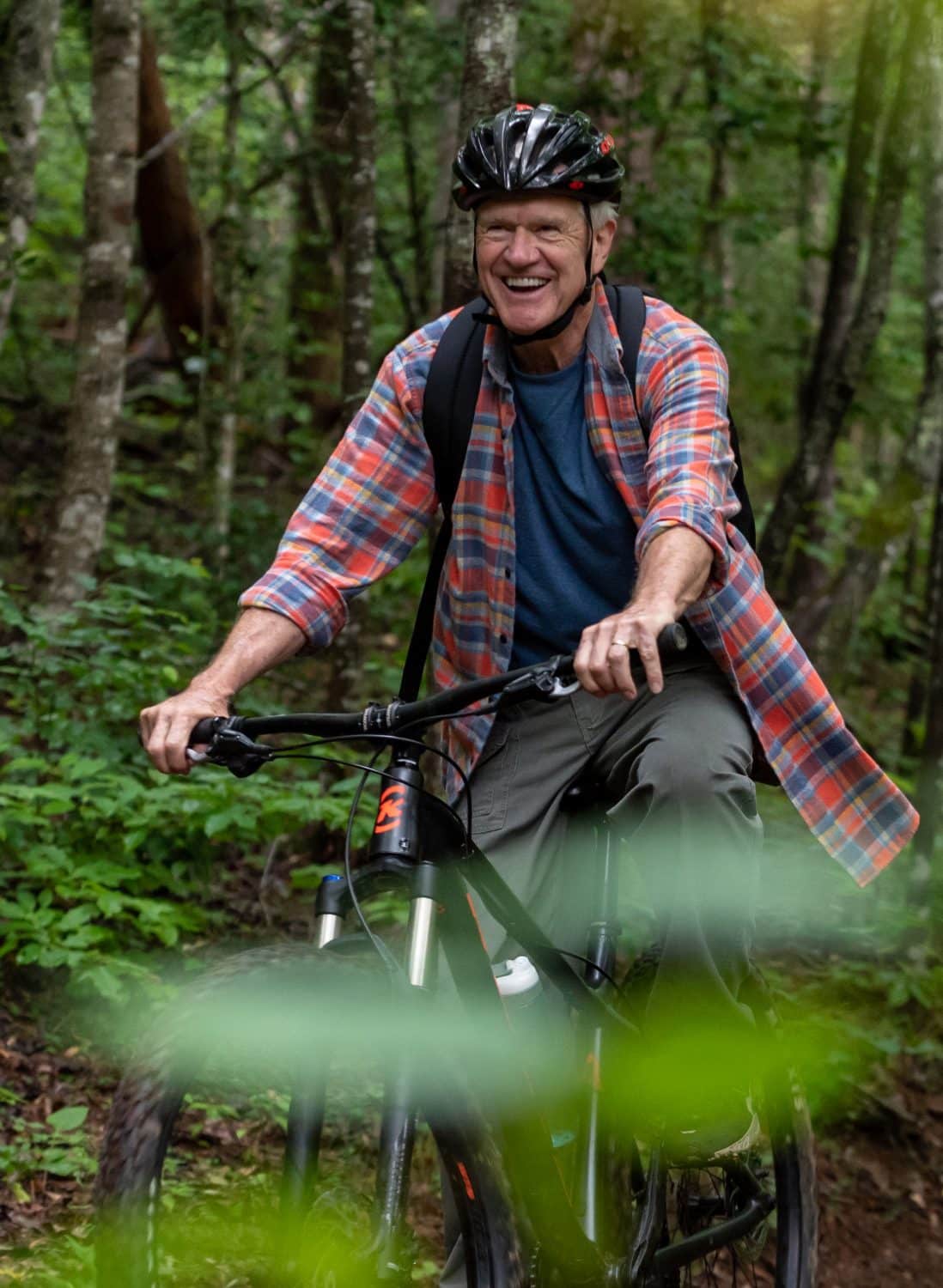
Move Every Day
More than two miles of hiking and biking trails, garden beds to tend and hills to climb make movement part of the day instead of an appointment.
A Guide to Farm-Centered Living
Updated October 2026 · Longview Carolina
An agrihood is a neighborhood built around a working farm. Instead of a golf course or a clubhouse at the center, there are gardens, greenhouses, orchards and animals, and the people who live there share in what the land produces. The Urban Land Institute estimates there are around 200 agrihoods across the country. South Carolina has only a few, and they look very different depending on which part of the state you call home.
The Basics
There is no official definition, but most agrihoods share a few traits. Farmland is part of the master plan from the start rather than an afterthought. Residents can get fresh food from the community, whether through a farm stand, a farm share or gardens they tend themselves. And the farm doubles as the place where neighbors meet.
How hands-on you are is usually your choice. Some agrihoods hire professional farmers, and residents pick up a share of the harvest. Others are run by the residents themselves, with shared work days and personal growing plots. Neither model requires you to farm, but they make for very different neighborhoods.
Why Buyers Are Choosing Them
Luxury real estate used to be measured in square footage, marble and golf memberships. A growing number of buyers now measure it in health: fresh food, clean air, daily movement, time outdoors and neighbors who know their name. Developers say many buyers would pick a farm stand over a swimming pool.
That shift lines up with research on the world’s longest-lived people. National Geographic explorer Dan Buettner and his team identified five regions where people live unusually long, healthy lives and called them Blue Zones. They are Okinawa in Japan, Sardinia in Italy, Nicoya in Costa Rica, Ikaria in Greece and Loma Linda in California. The common thread was daily life. People walked and gardened as part of their routines, ate mostly plants and stayed close to family, faith and friends.
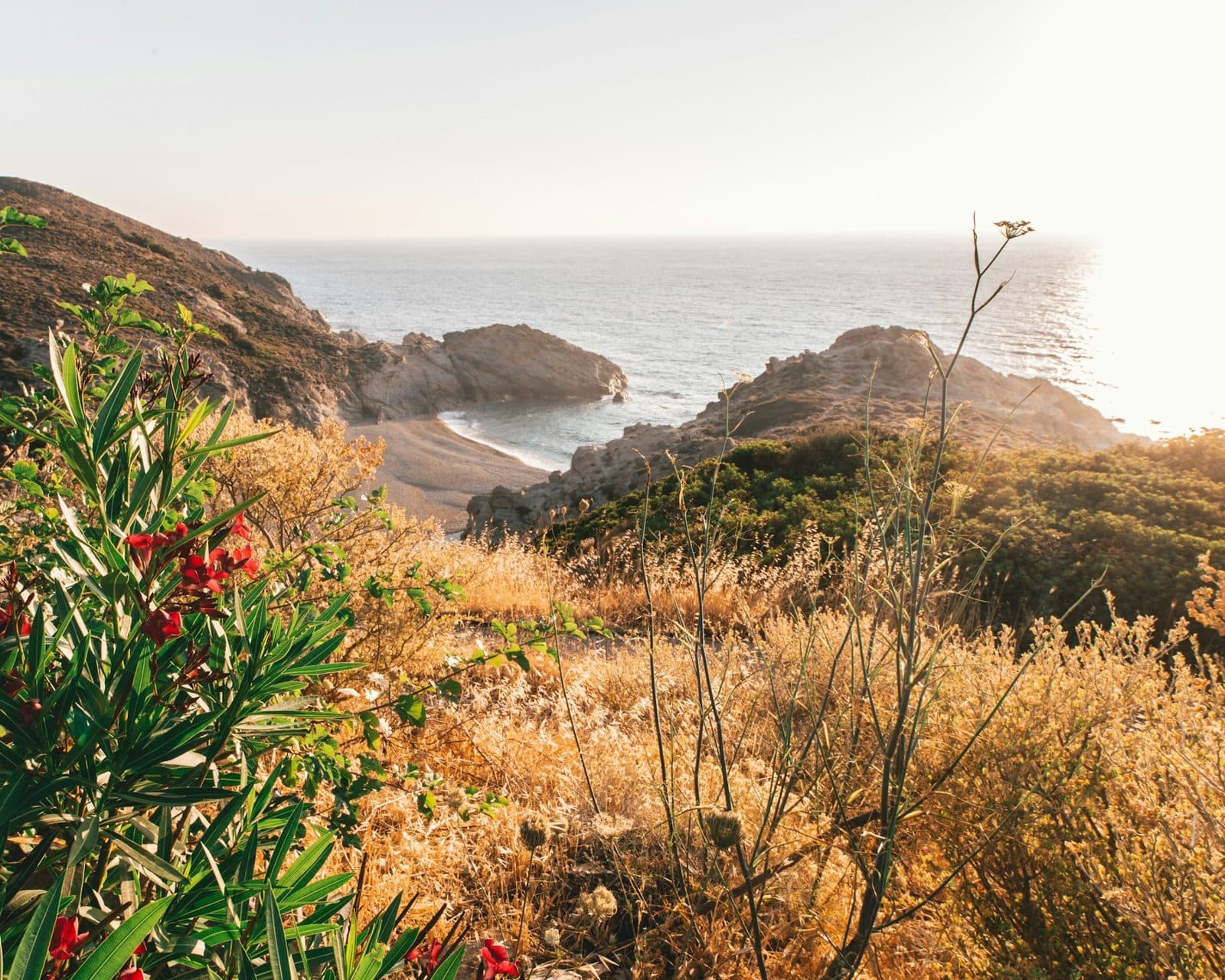
Here is what that kind of daily life looks like at Longview Carolina.
More than two miles of hiking and biking trails, garden beds to tend and hills to climb make movement part of the day instead of an appointment.
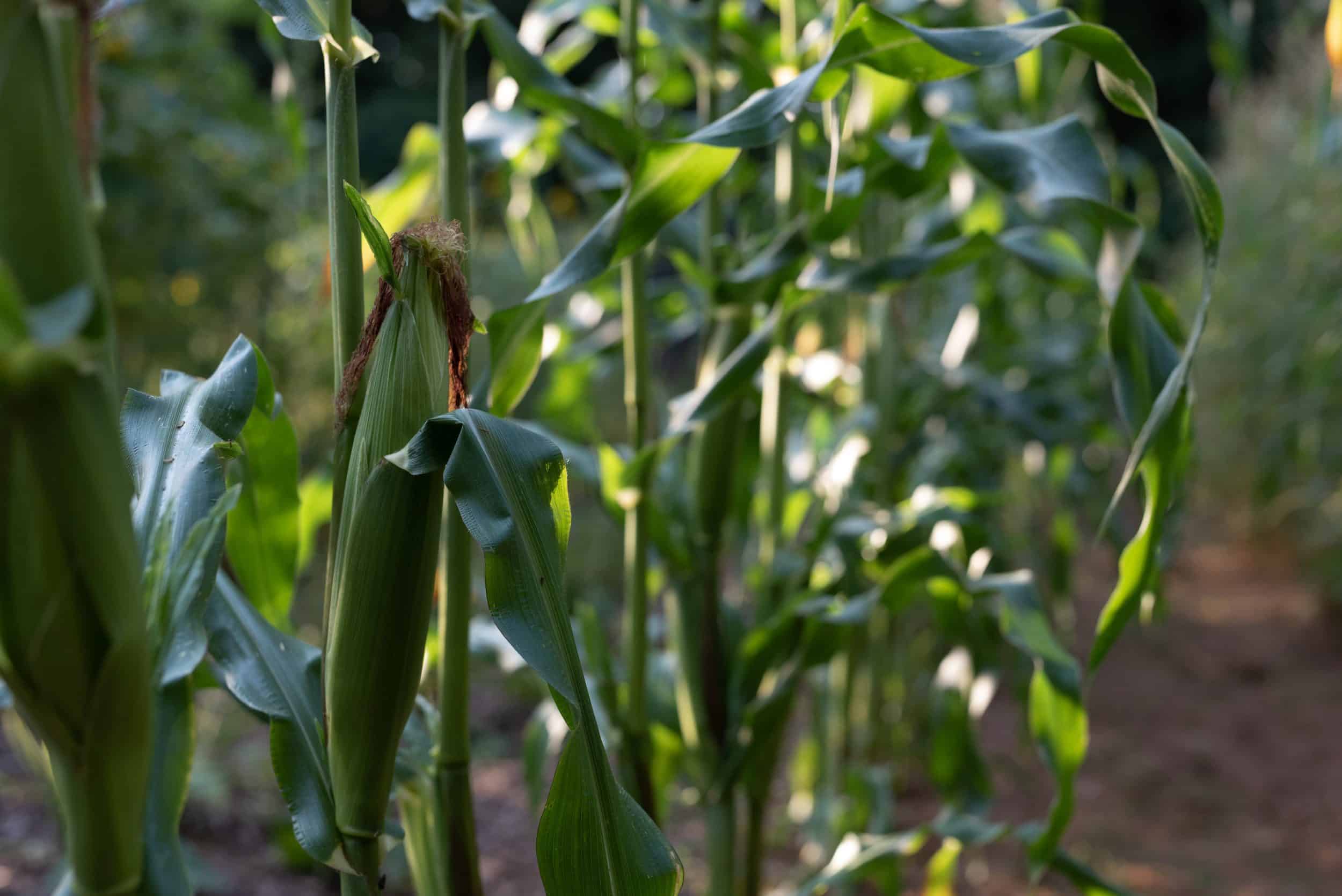
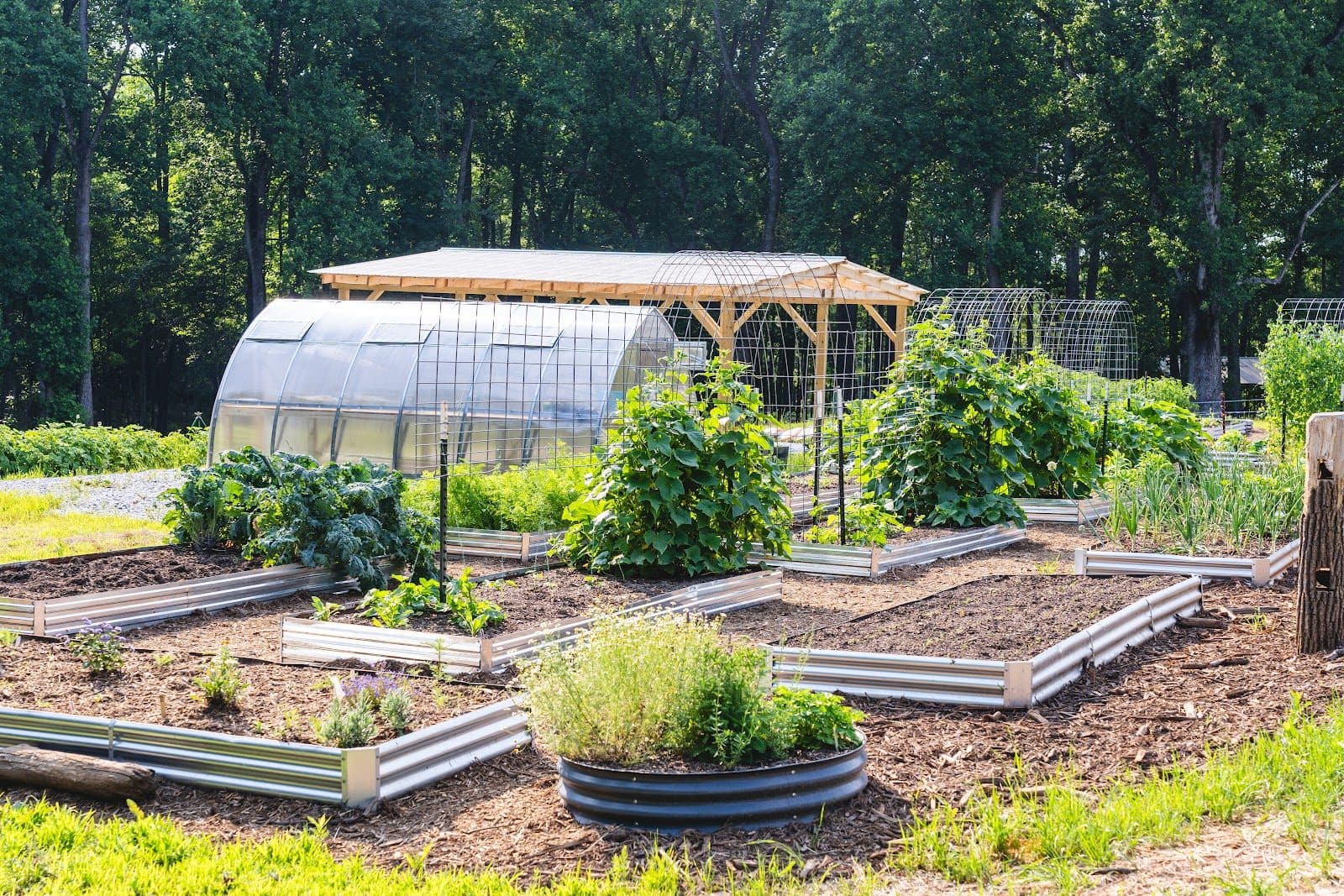
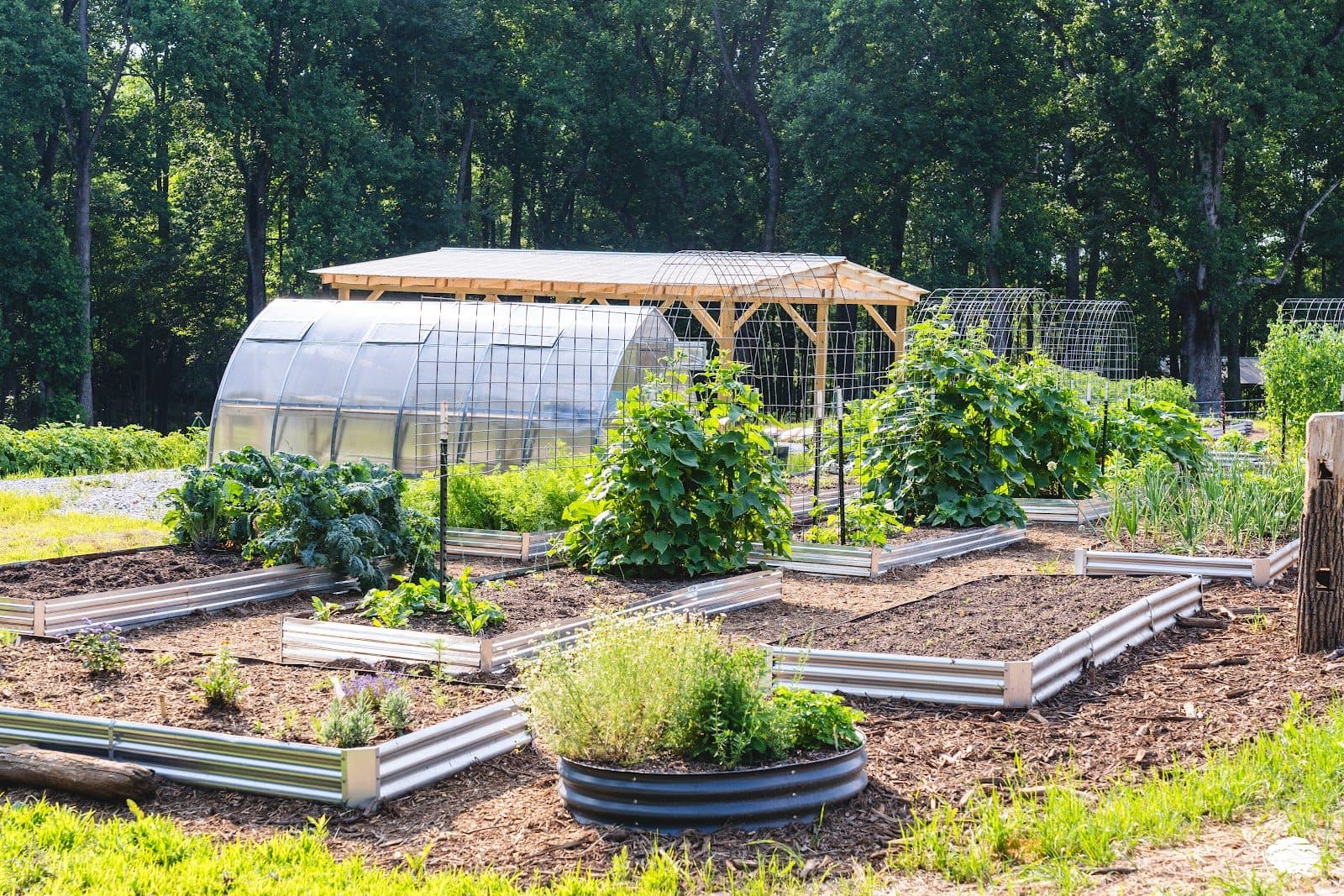
Community gardens, greenhouses and berry bushes along the trails put fresh, mostly plant-based food a short walk from your kitchen.
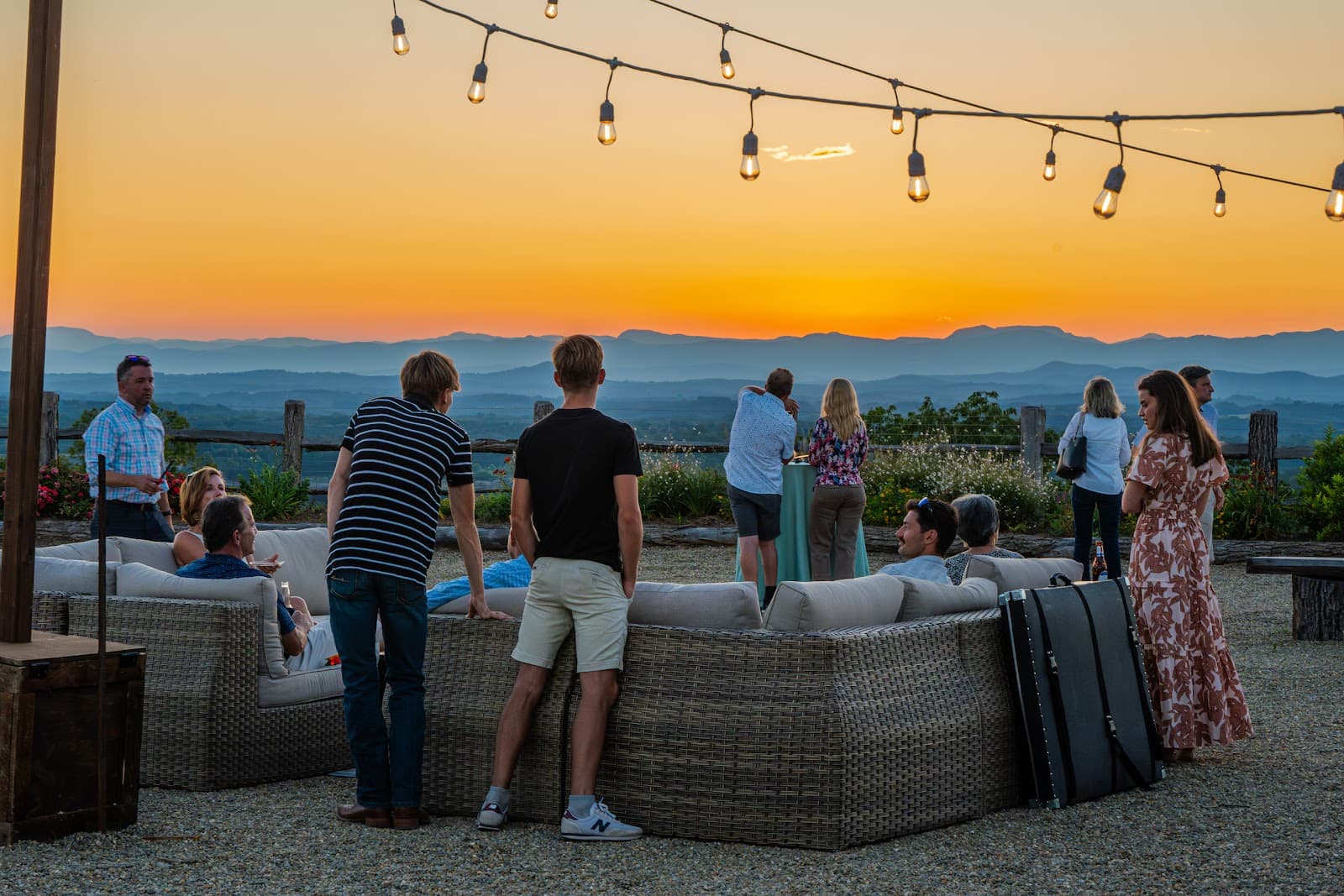
Farm work days, evenings at the overlook and an intergenerational mix of neighbors build the kind of close-knit community the Blue Zones research describes.
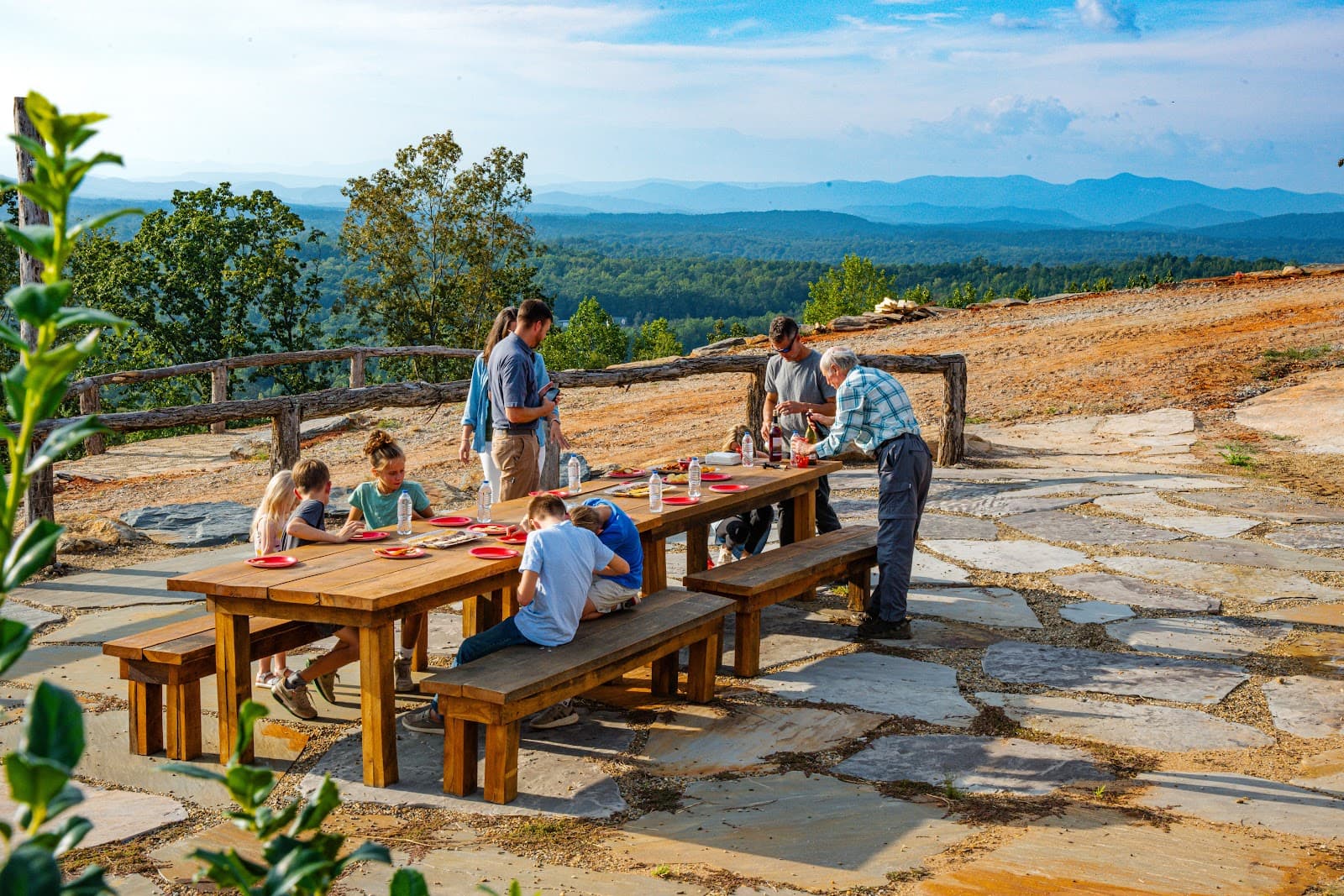
Trails, gardens and wide-open views give the grandkids a reason to visit and a place to learn to love the land.
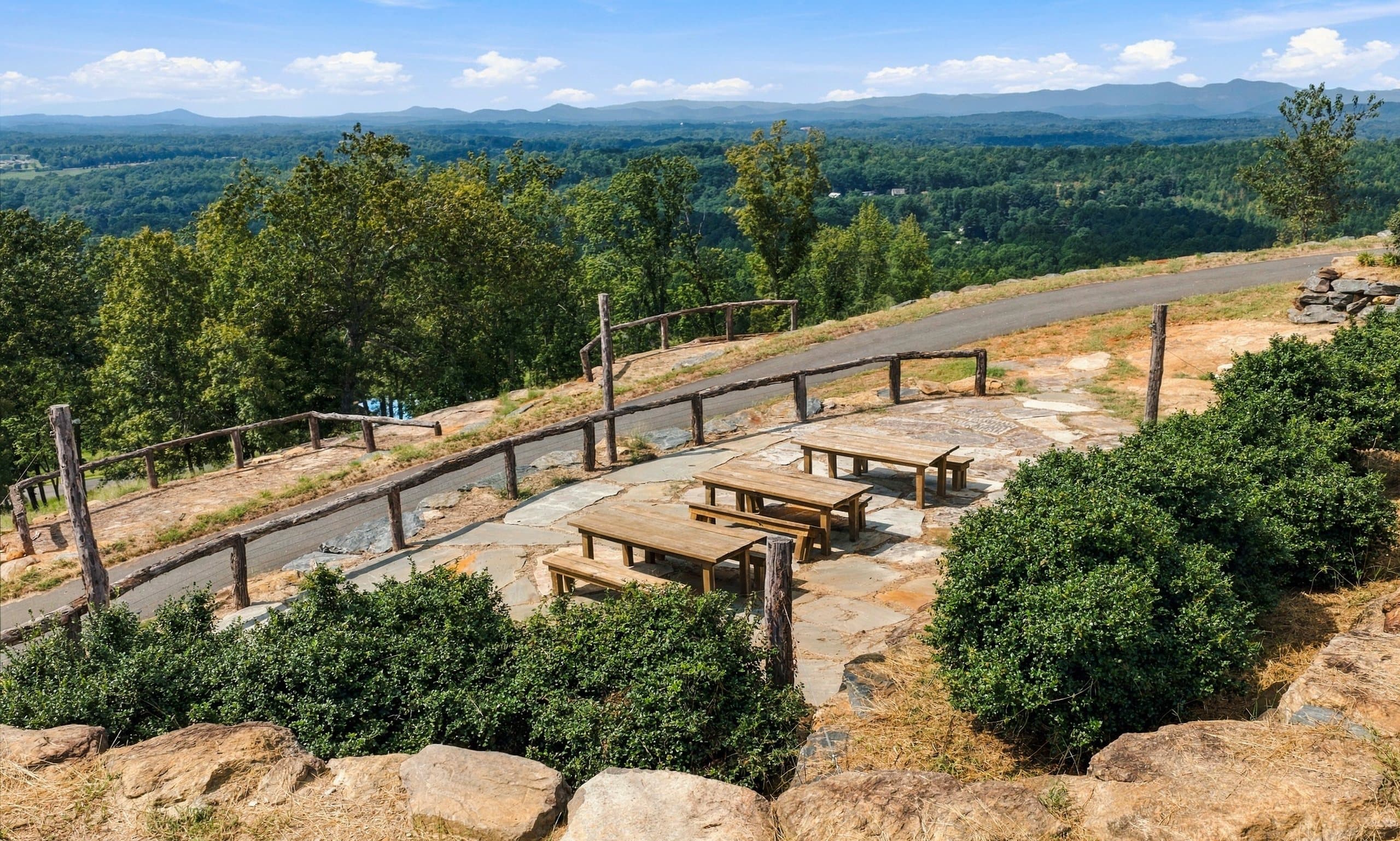
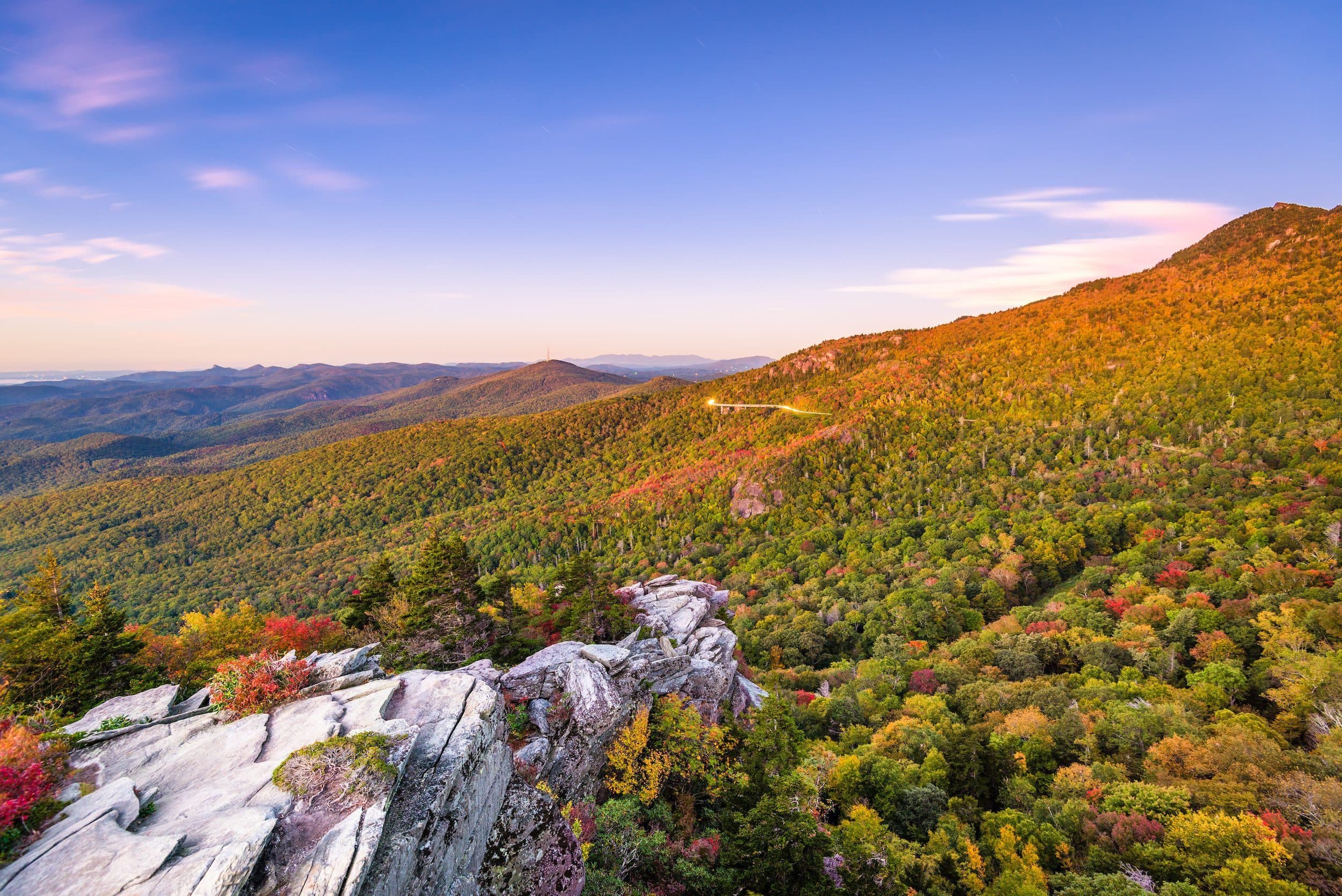
Fireside patios, campsites and the 50-mile view from the mountaintop make it easy to end the day unhurried.
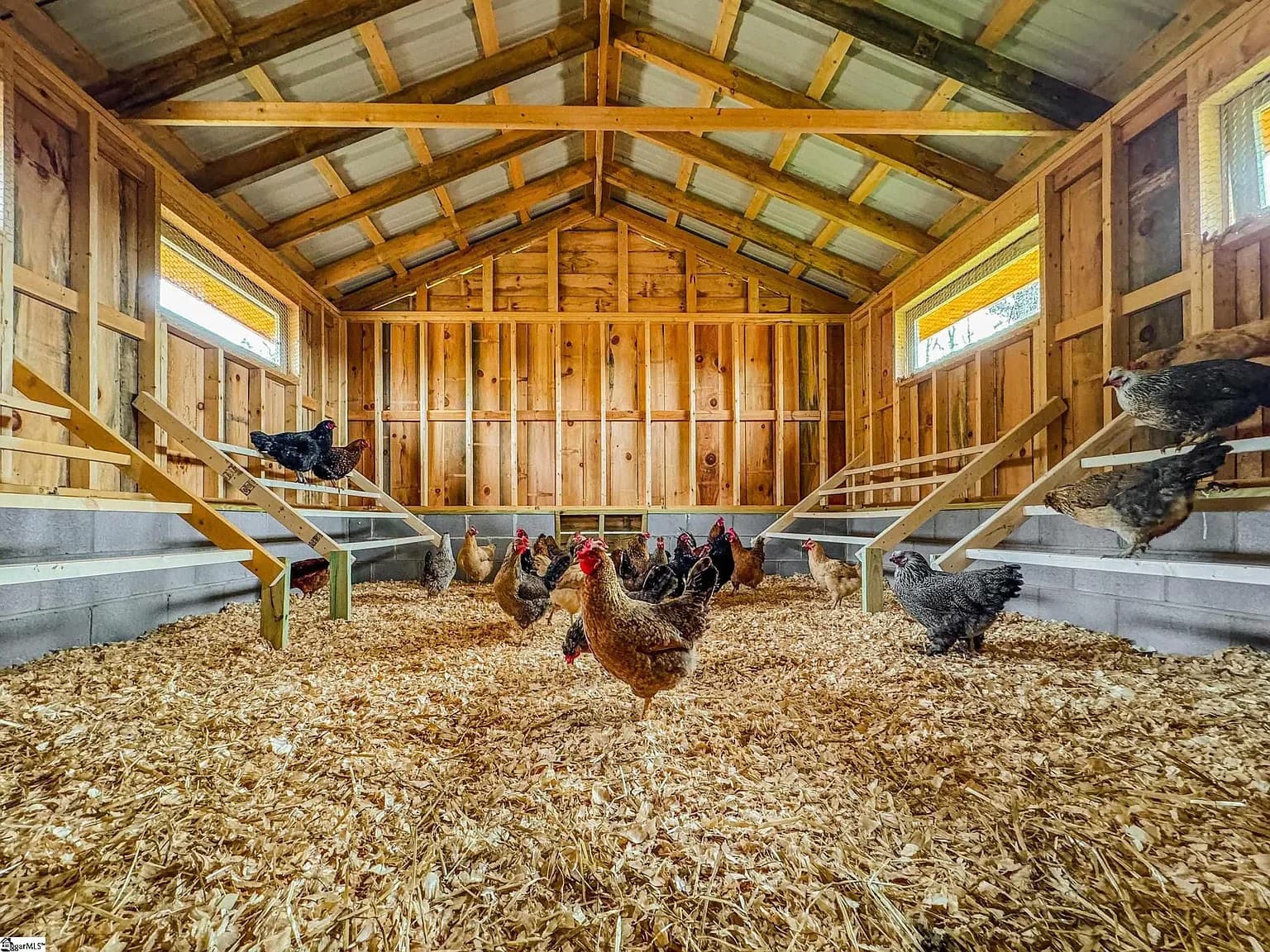
Caring for the farm and the land gives every season a reason to get outside and contribute to something bigger than your own homesite.
Longview isn’t a Blue Zone, and no neighborhood can promise a longer life. It is a gated mountain community where the healthy choice is also the easy one, every day.
South Carolina's Agrihoods
South Carolina is paying attention to the trend. The state’s Commissioner of Agriculture co-wrote a 2025 column in The Post and Courier on how agrihoods weave agriculture into new residential development.
Three of the best-known agrihoods in South Carolina are planned around working farmland. Two sit in the Lowcountry near Charleston. One is in the Upstate.
Johns Island · Lowcountry
A riverfront community on Johns Island, outside Charleston. Kiawah River covers roughly 2,000 acres, with about half kept as open space and about 100 acres in working farmland.
Rosebank Farms opened its farm stand at the community entrance in 2024, and goats, pasture-raised cattle, free-range chickens and beehives all share the property. It is developed by an affiliate of The Beach Company.
Goose Creek & Summerville · Lowcountry
A large master-planned community in Berkeley County, north of Charleston, designed for about 3,600 homes. Its agrihood amenities opened in 2025.
The centerpiece is a 12-acre working farm run by professional farmers, with a farm store, a farm share for each household and a monthly farmers market. It is developed by Freehold Communities.
Easley · Upstate
A gated, custom-home community on Longview Mountain in the Blue Ridge foothills, 25 minutes from downtown Greenville and 20 minutes from Clemson. Its 180 acres hold 88 homesites averaging about an acre each.
Community gardens, greenhouses, raised beds, a working barn and community chickens sit at the heart of the neighborhood, with berry bushes along more than two miles of trails. Residents run the farm together and pitch in on farm work days.
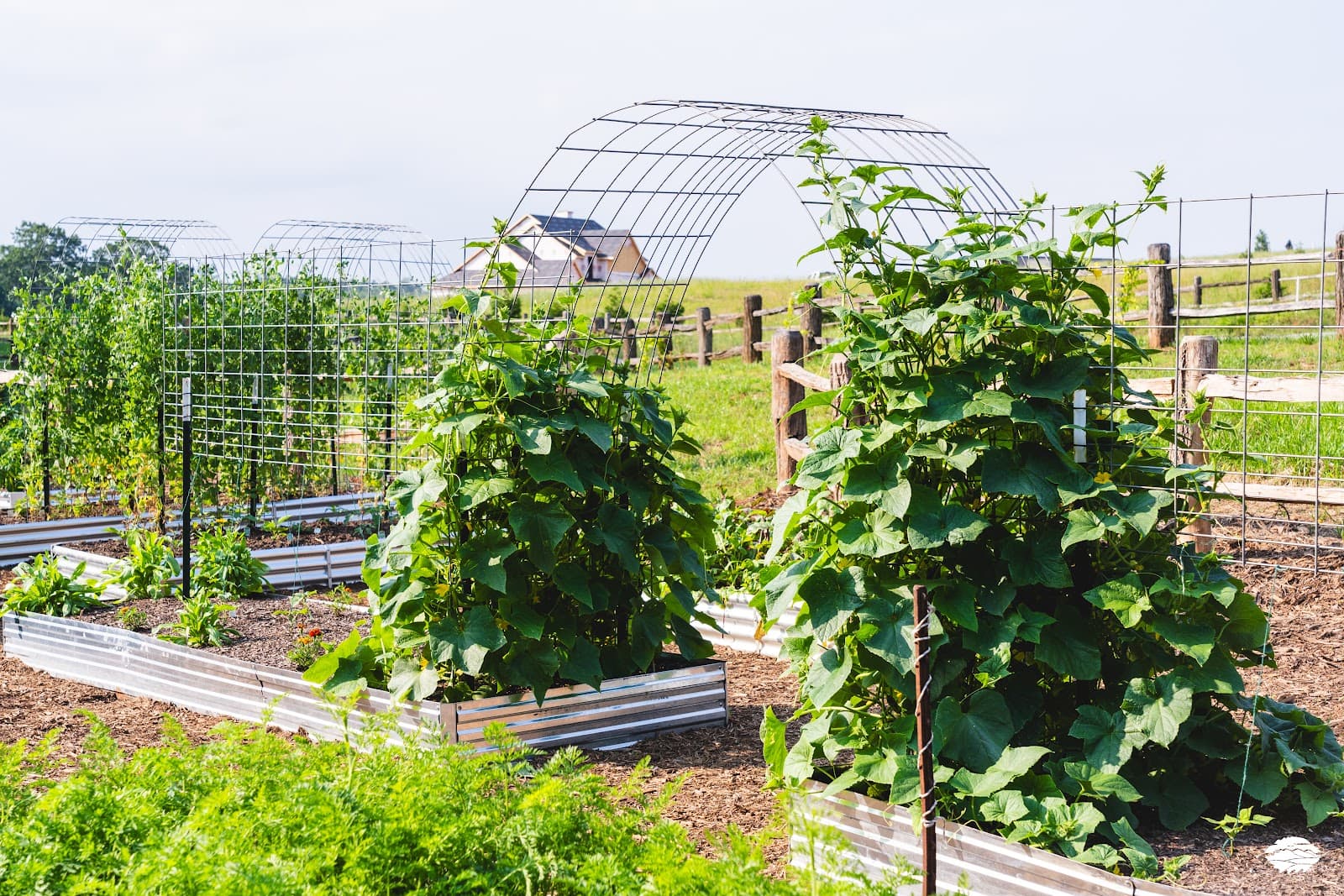
A place where the grandkids learn where their food comes from.
Longview Carolina · Easley, SC
Choosing a Region
South Carolina’s agrihoods differ as much in setting as they do in farming. Here is how the two regions compare for someone weighing farm-centered living.
If you want the coast and a farm run by professionals, the Lowcountry communities are worth a look. If you would rather have mountain views, four seasons, a smaller neighborhood and a farm you help tend yourself, the Upstate is the place to start.
The Entrance
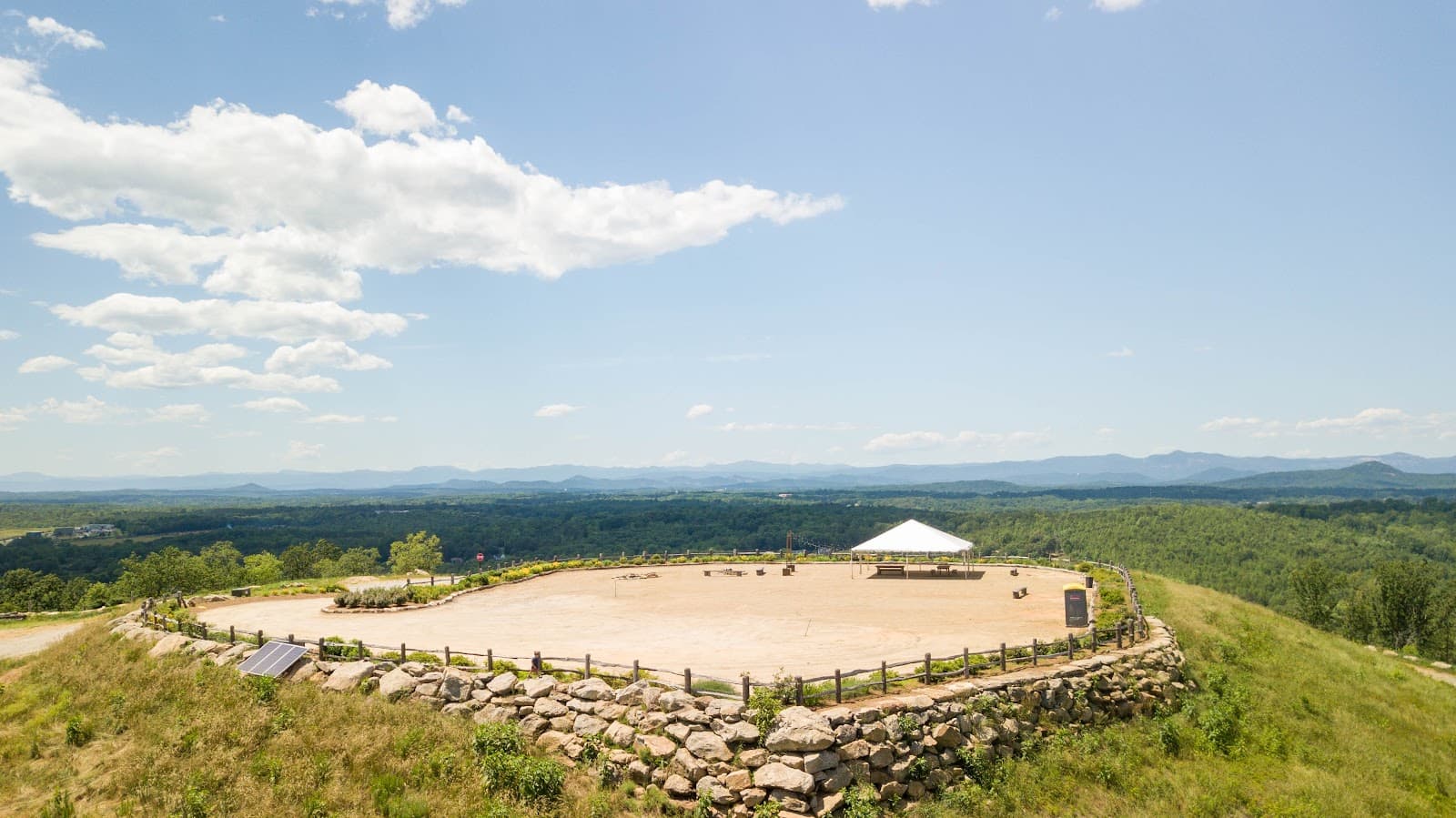
The Summit

Farm-Fresh Eggs
Before You Buy
At Longview Carolina, residents can keep up to six hens and three beehives on their own homesites, and the community is planned for 88 homesites in total. Our FAQs answer the rest, or you can schedule a tour and ask us in person.
Common Questions
Sources
Blue Zones is a trademark of Blue Zones, LLC. Longview Carolina is not affiliated with or endorsed by Blue Zones, LLC.
Ikaria photo by Jean Valjean on Unsplash.
See It for Yourself
Schedule a private tour to see the farm, the trails and the view from the Pinnacle Pavilion.